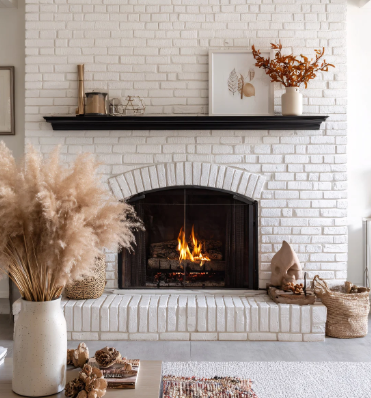
Fireplace safety is essential if you plan to light fires this winter. A cozy flame brings comfort—but without care, it can also bring risk. Every year, fires and carbon monoxide poisonings occur because of unsafe fireplace use.
In this guide, you’ll learn how to enjoy your fireplace safely, avoid chimney fires, and protect your home.
Why Fireplace Safety Matters
It may seem harmless, but an open flame inside your house needs attention. Poor fireplace safety can cause smoke damage, house fires, and serious injuries.
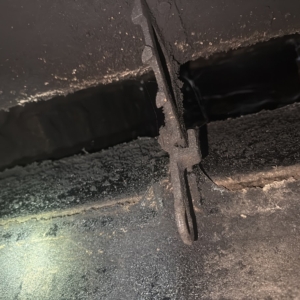 A leading danger is creosote, a black, sticky substance that builds up inside chimneys. It’s highly flammable and forms from burning wood. Without regular cleaning, it can catch fire inside the flue.
Even something as simple as poor damper operation can cause smoke to back up into your home or lead to carbon monoxide exposure. But with the right knowledge, these risks are easy to avoid.
📚 Learn more from the Chimney Safety Institute of America – an expert resource on chimney fire prevention.
Annual Chimney Sweep: Your #1 Fireplace Safety Step
One of the most important parts of fireplace safety is scheduling an annual chimney sweep. Just like a furnace or water heater, your chimney needs maintenance to run safely.
A certified professional will:
-
Remove dangerous creosote
-
Check for blockages
-
Inspect the flue for cracks or damage
Book your inspection before the cold season starts. If you use your fireplace daily, consider two cleanings per year.
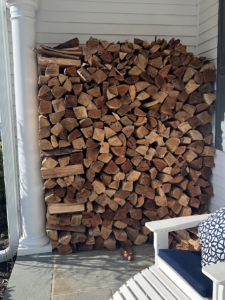
Use Only Seasoned Hardwood for Safe Burning
Burning the right fuel is a huge part of fireplace safety. Always use seasoned hardwood. It burns hot, clean, and produces less smoke.
Common types:
-
Oak
-
Ash
-
Maple
-
Birch
Avoid softwood like
pine or fir. It burns too quickly and leaves behind heavy creosote. Wet or green wood should also be avoided—it produces more smoke and less heat.
Want to check your wood? Knock two logs together. If they sound hollow, they’re ready to burn.
🔥 Fireplace Safety Rules: What NOT to Burn
Using your fireplace safely means knowing what to keep out of it. Some materials burn too hot,
produce toxic fumes, or create excess creosote.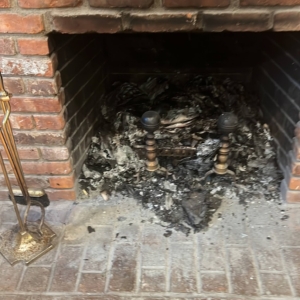
Never burn:
-
Painted or pressure-treated wood
-
Trash or cardboard
-
Magazines or glossy paper
-
Plywood or particleboard
-
Plastics or foam
-
Charcoal or BBQ briquettes
Burning these can damage your chimney, pollute your home, or spark a chimney fire. Stick to clean, dry, seasoned wood.
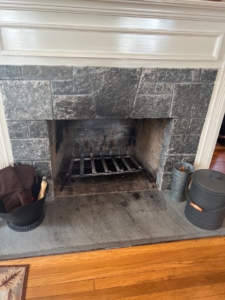 Safe Ash Disposal: Don’t Take Risks
Hot ashes can stay dangerous for days. Practicing safe ash disposal is a key part of overall fireplace safety.
After the fire dies out, let the ashes cool completely. Then:
-
Use a metal shovel to transfer them to a metal ash bucket with a tight lid.
-
Store the bucket outside, far from the home, deck, or garage.
-
Never use a vacuum to clean ashes—even if they seem cold.
Some homeowners reuse wood ash in their garden, but only if they’ve burned clean wood. Otherwise, it should go to waste.
How to Start a Fire Safely (Without Accidents)
Lighting a fire may seem simple, but doing it right is critical for fireplace safety.
Here’s the safest method:
-
Open your damper completely. This allows smoke and gases to escape.
-
Stack two or three seasoned hardwood logs on your grate.
-
Place dry kindling and crumpled newspaper underneath.
-
Light the paper with a long match or lighter.
Let the fire catch slowly. Keep the flames controlled. Avoid accelerants like lighter fluid or gasoline—they’re extremely dangerous.
Proper Damper Operation Matters
The damper is a metal flap that controls airflow in the chimney. It must be fully open before starting a fire.
When the fire is out and ashes are cool, close the damper to keep warm air from escaping your home.
Incorrect damper operation can cause smoke buildup and increase carbon monoxide risk—two big reasons why it’s vital to understand how yours works.
🔗 Need help working your damper? Check this video on fireplace damper operation
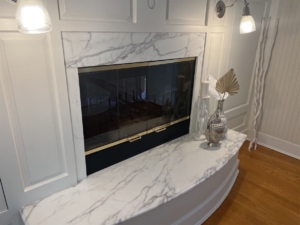 Add Glass Doors or Screens for Fireplace Safety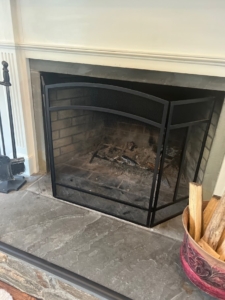
Even a well-contained fire can spit sparks. A safety screen or tempered glass doors adds protection.
Screens help block flying embers. Glass doors trap heat inside and stop curious kids or pets from getting too close.
If your fireplace is in a high-traffic area, install a heat-resistant safety gate. Never leave the fire unattended, even with a screen in place.
Prepare for a Chimney Fire Before It Happens
Even with every fireplace safety rule in place, chimney fires can still occur. Be prepared.
Warning signs of a chimney fire:
-
Loud roaring sound in the chimney
-
Flames or sparks from the top
-
Intense smell or heat
If a chimney fire starts:
-
Close the damper if safe
-
Use a Chimfex fire suppressant stick
-
Call 911 immediately
-
Evacuate if necessary
Always keep an ABC-rated fire extinguisher near your fireplace. Ensure every adult in the home knows how to use it.
Fireplace Safety Checklist for Homeowners
Want to make sure your fireplace is ready for the season? Here’s a quick checklist:
-
✅ Schedule a yearly chimney sweep
-
✅ Burn only seasoned hardwood
-
✅ Practice safe ash disposal
-
✅ Keep the damper working and clean
-
✅ Install glass doors or safety screens
-
✅ Keep fire extinguishers and Chimfex nearby
-
✅ Never leave a fire unattended
Summary: Stay Warm, Stay Safe
Fireplace safety isn’t complicated—but it is essential. Every homeowner with a fireplace should know the basics: clean your chimney, burn the right wood, and be prepared for the unexpected.
If you’re buying a home, selling your home, or simply want peace of mind this winter, call On Point Home Inspections.